4/6/26: YOUTH PARENTS – MONDAY MOTIVATION FROM ELEVATED STUDIOS > WILMINGTON, DELAWARE
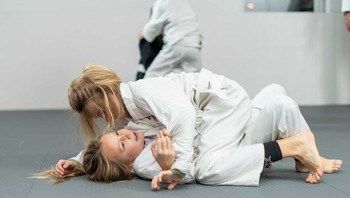
🥋 “I Don’t Want to Go” — It’s Not If, It’s When
At some point, every child will say it:
👉 “I don’t want to go.”
Not just for martial arts…
👉 For almost everything.
- School
- Sports
- Activities
- Even things they once loved
This isn’t unusual.
👉 It’s part of growing up.
And the more we expect it…
👉 The better we can respond when it happens.
❤️ A Real Parent Perspective
As parents ourselves, we’ve been there too.
And if we’re being honest…
It can be frustrating.
It can feel confusing.
And sometimes it makes you pause and wonder if you’re doing the right thing.
But here’s something important to recognize:
👉 “I don’t want to go” rarely means what it sounds like.
🧠 Before You React—Get Curious
Instead of reacting right away…
👉 Pause—and get curious.
Because usually, something else is underneath it.
It might be:
- They’re tired
- They’re discouraged
- They’re comparing themselves to others
- They feel like they’re not doing well
- Or something happened that they don’t yet have the words for
💡 A Real Example
We’ve seen this many times—and experienced it in our own home.
What started as:
“I don’t want to go…”
Turned into:
👉 “I feel like I’m not as good as the other kids.”
And that opened the door to a more honest conversation:
Those other students?
👉 They’re not more talented.
👉 They’ve simply had more practice.
⚖️ Parents Set the Standard
This part matters.
Because while it’s important to listen to our kids…
👉 We can’t let them decide what we do based on how they feel in the moment.
As parents, we set the standard.
We decide what we value.
And then we help our children stay consistent with those values—even when it’s hard.
Think about it this way:
👉 We don’t ask our kids if they feel like brushing their teeth.
We’ve already decided that matters.
In the same way, whether it’s:
- Martial arts
- Music
- Schoolwork
- Or any meaningful commitment
👉 There will be days they don’t feel like it.
And our role isn’t to remove that discomfort…
👉 It’s to help guide them through it.
⛰️ The Hills and Valleys Are Still Real
No matter how we approach it…
👉 Every child will experience valleys.
- Times where it’s not fun
- Times where progress feels slow
- Times where they want to stop
And those moments?
👉 They are where the real growth happens.
💪 Grit Muscle vs. Quit Muscle
In those moments, something is being built:
- The quit muscle (walk away when it’s hard)
- Or the grit muscle (push through discomfort)
And this is where your leadership matters most.
👨👩👧👦 A Note on Families Who Train
One thing we’ve seen over and over again at Elevated Studios in Wilmington, Delaware…
👉 Families who train together tend to persevere together.
Not because it’s easier…
But because there’s a deeper level of understanding.
We’ve had many parents tell us:
👉 “I thought I understood what my child was going through… until I tried it myself.”
Once you’ve felt:
- What it’s like to struggle through a technique
- What it’s like to feel stuck
- What it’s like to be challenged physically and mentally
👉 Your perspective changes.
You’re able to guide your child with more clarity and confidence.
💡 Why This Matters
Without that experience, it can sometimes look like:
- “They’re getting beat up”
- “They’re not doing well”
- “Maybe this isn’t for them”
But with experience, you begin to see:
👉 This is practice
👉 This is learning
👉 This is growth in real time
📣 REALISTIC RESPONSES YOU CAN USE
When your child says they don’t want to go, here are a few ways to respond:
👉 Curious Approach:
“Help me understand—what’s making you feel that way?”
👉 Empathy + Leadership:
“I hear you. You don’t feel like going. That happens. But we still show up.”
👉 Reframe the Struggle:
“Do you think this might be one of those moments right before you get better?”
👉 Perspective Shift:
“Those kids you’re comparing yourself to? They’ve just had more practice.”
👉 Calm Confidence:
“You don’t have to feel like it. You just have to show up.”
🥋 Mat Application
On the mat, growth often looks like:
- Trying—and failing
- Feeling stuck—and continuing
- Losing—and coming back anyway
These are not setbacks.
👉 These are the moments that build resilience.
📣 THIS WEEK’S FAMILY CHALLENGE
When resistance shows up this week:
👉 Stay calm
👉 Get curious
👉 Lead with confidence
Don’t rush to remove the challenge…
👉 Help your child move through it.
🏡 At-Home Conversation Starters
- “What felt hard at class this week?”
- “Did anything make you feel frustrated?”
- “What do you think would happen if you kept going?”
🔥 Final Thought
Your child won’t build confidence because everything was easy.
They’ll build confidence because they learn:
👉 “I can do hard things—even when I don’t feel like it.”
– Coach Steve